
[ad_2]
The Writer’s Guild of America Strike Hits the Month Mark: A Demand for Fairness and Equity in the Entertainment Industry
As the sun sets on a month of unprecedented action and dialogue disruption, the Writer’s Guild of America (WGA) finds itself standing firm in a struggle that underscores the tension between creativity and corporate interests in the entertainment industry. Beginning on May 2, 2023, the WGA strike has captivated attention not only for its immediate impact on television and film production but also for the broader implications it carries for writers, content creators, and the future of storytelling.
Background of the Strike
At the heart of the WGA’s demands is a commitment to fair compensation and working conditions for writers. The rise of streaming platforms, while giving writers new opportunities, has also led to significant shifts in the industry’s landscape. Increasingly, writers have reported dwindling paychecks, reduced job security, and a marked decline in benefits. The WGA has highlighted concerns over the ever-shrinking writers’ room sizes, the growing reliance on "mini-rooms," and the rise of "pay-per-script" contracts that fail to provide stable income over time.
Moreover, the rapid pace of production in the streaming era means that writers often face pressure to deliver scripts quicker than ever before, raising concerns about quality and creative integrity. As a result, the WGA has called for improved pay structures, job protections, and the establishment of new standards that can adapt to the evolving demands of the industry.
Solidarity and Unity
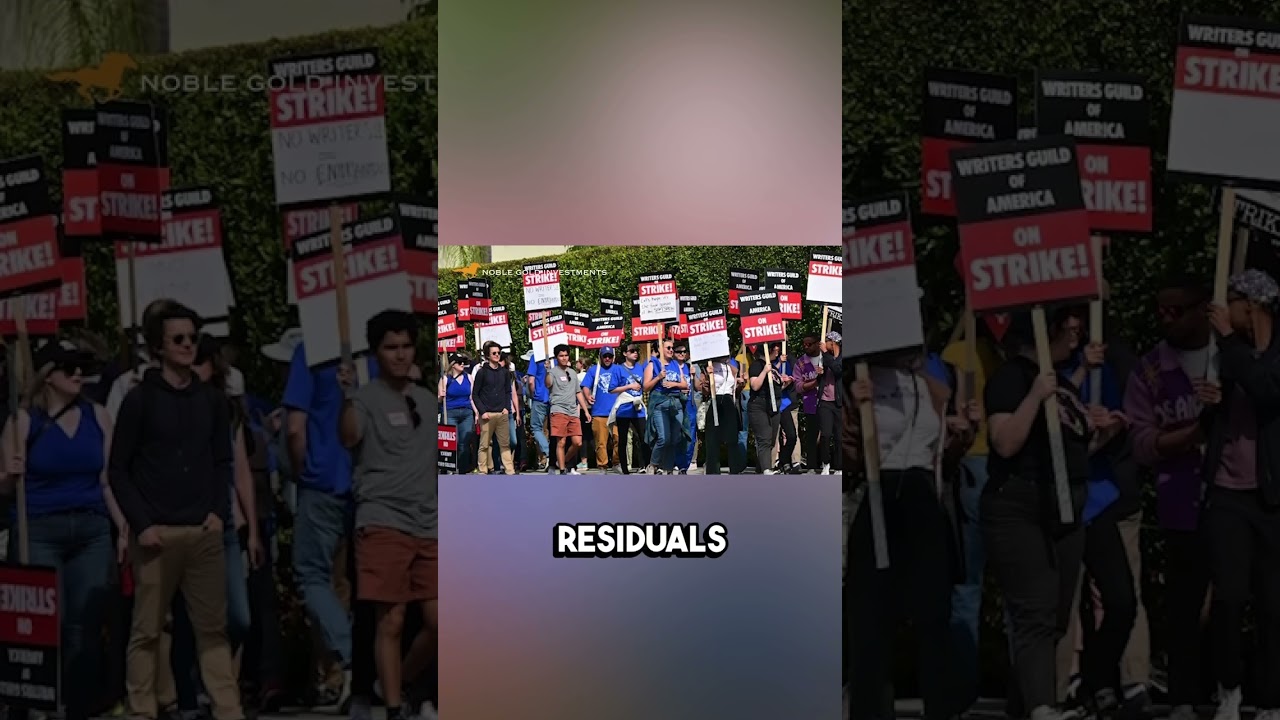
One of the striking features of the WGA strike is the overwhelming solidarity displayed by writers across the country. With banners held high and chants echoing through the streets of Los Angeles and New York, writers from diverse backgrounds have come together to advocate for their rights. This unity extends beyond the WGA, as many actors, directors, and other industry professionals have joined the cause, recognizing that the fight for fair treatment in one sector ultimately benefits all in the industry.
Prominent figures have lent their voices, with celebrities like John Oliver, Amy Schumer, and Judd Apatow publicly supporting the writers. Social media has played a vital role in galvanizing support, bringing attention to the plight of writers and showcasing the solidarity of those who understand the intrinsic value of storytelling.
Impact on the Industry
The repercussions of the strike are evident across various facets of the entertainment landscape. With numerous television shows and film projects halted, audiences have begun feeling the effects in premature season cancellations and delayed premieres. The entertainment industry is now facing a significant gap in content, underscoring the critical role that writers play in the creative process.
Beyond immediate disruptions, the strike is also forcing a re-evaluation of the industry’s business models. As streaming networks and major studios grapple with the organizational challenges posed by the strike, they are beginning to recognize that the sustainability of their platforms depends not merely on generating content but on respecting and investing in the talent that creates it.
A Broader Conversation
The WGA strike transcends just the realm of writers; it speaks to a growing awareness within the public about labor rights and fair compensation in a time when many professionals across industries are advocating for similar reforms. The strike has highlighted issues like income inequality, job security, and the ever-present battle between profit margins and artistic integrity—a conversation that resonates in various sectors beyond entertainment.
As the WGA negotiates with studios and streaming giants, the outcome of this strike could set precedent for labor relations within the entertainment industry and beyond. The demands being put forth are emblematic of a broader desire for equity and respect across the workforce.
Looking Ahead
As the WGA strike reaches the one-month mark, the resolve of writers and their supporters remains strong. The outcome of this pivotal moment will undoubtedly shape the future of writing in film and television. While the path forward may be arduous, the vision of a more equitable industry is driving creativity and camaraderie among writers, encouraging them to advocate not just for themselves, but for future generations of storytellers.
Whether the negotiations between the WGA and industry leaders yield a favorable outcome or lead to prolonged contention remains to be seen. However, one thing is clear: as writers stand in solidarity, they are not just fighting for better terms but redefining the very essence of storytelling in an industry that thrives on the power of words.
LEARN MORE ABOUT: Precious Metals IRAs
HOW TO INVEST IN GOLD: Gold IRA Investing
HOW TO INVEST IN SILVER: Silver IRA Investing
REVEALED: Best Investment During Inflation

0 Comments