

Explaining Inflation: Understanding the Basics
Inflation is a term we frequently hear in the news, especially when discussing the economy’s health. But what does it really mean, and why is it important for both individuals and businesses? In this article, we will break down the concept of inflation, explore its causes, effects, and provide insights on how to navigate an inflationary environment.
What is Inflation?
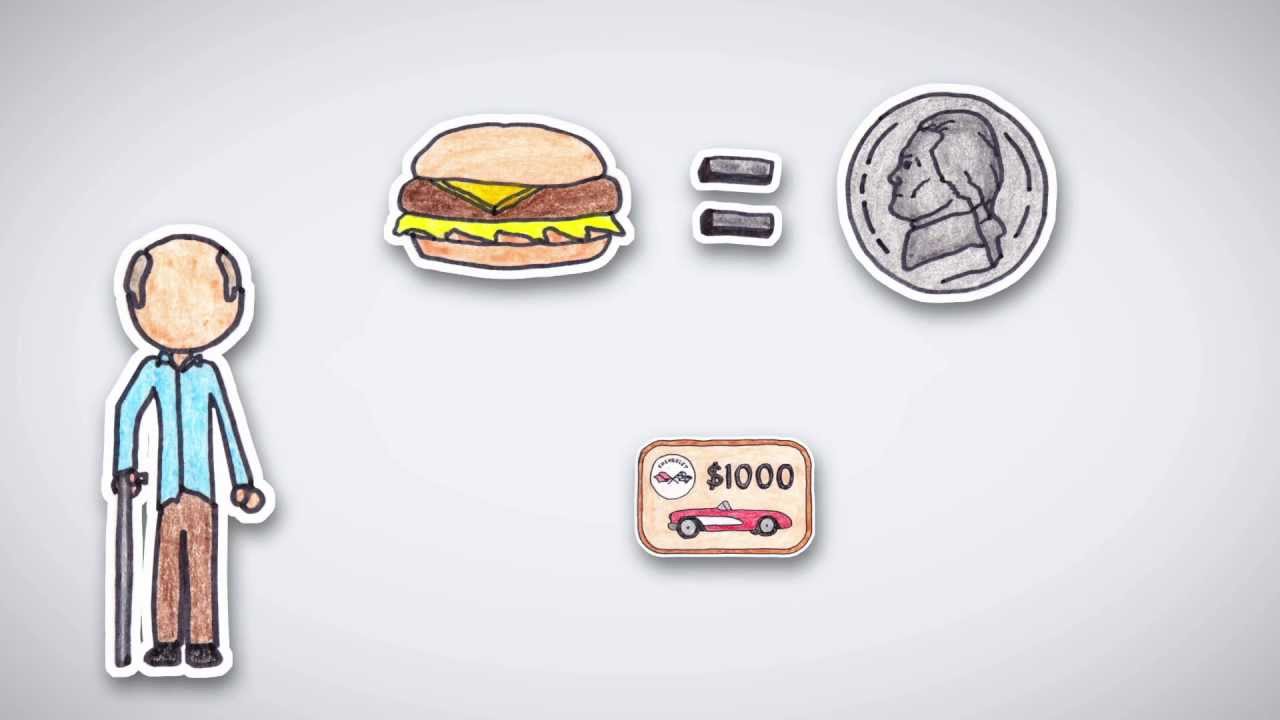
At its core, inflation refers to the increase in prices of goods and services over time. When the general price level rises, each unit of currency buys fewer goods and services; hence, inflation reduces the purchasing power of money.
Inflation is typically measured by the Consumer Price Index (CPI) or the Producer Price Index (PPI). The CPI tracks the price changes in a typical basket of goods and services consumed by households, while the PPI measures the average changes in prices received by domestic producers for their output.
Causes of Inflation
Inflation can be caused by a variety of factors, which are generally categorized into three main types:
-
Demand-Pull Inflation: This occurs when the demand for goods and services surpasses their supply. When consumer spending increases significantly, businesses may struggle to keep up with demand, leading to higher prices. A booming economy often triggers this type of inflation, as consumers and businesses are more likely to spend.
-
Cost-Push Inflation: This type happens when production costs rise, causing manufacturers to pass on those costs to consumers in the form of higher prices. Factors contributing to cost-push inflation can include increased wages, higher raw material costs, or supply chain disruptions.
- Built-In Inflation: Often linked to the expectations of future inflation, this can create a self-perpetuating cycle. Workers demand higher wages as they anticipate rising prices, and businesses increase their prices to cover these wage hikes, leading to a continual rise in inflation.
Effects of Inflation
Inflation has a wide range of effects on the economy and society as a whole:
-
Purchasing Power: One of the most direct impacts of inflation is the erosion of purchasing power. As prices rise, consumers can buy less with the same amount of money, which can lead to decreased consumer confidence and spending.
-
Interest Rates: Central banks, such as the Federal Reserve in the United States, often respond to rising inflation by increasing interest rates to cool down the economy. Higher interest rates can lead to higher borrowing costs for consumers and businesses, impacting spending and investment.
-
Income Redistribution: Inflation does not affect everyone equally. Fixed-income earners, such as retirees relying on pensions, may suffer more as their income does not adjust with rising prices. Conversely, debtors may benefit from inflation since they can repay fixed-rate loans with "cheaper" dollars.
- Investment Shift: In an inflationary environment, investors may look for assets that traditionally hold their value or appreciate, such as real estate, commodities, or stocks. This shift in investment strategies can impact financial markets and capital allocation.
Navigating an Inflationary Environment
Understanding inflation is crucial for both consumers and investors. Here are some strategies to navigate its effects:
-
Diversify Investments: Consider a diversified portfolio that includes assets that tend to perform well during inflationary periods, such as real estate or inflation-linked bonds.
-
Negotiate Wages: If you’re working in an industry prone to inflation, consider negotiating your salary regularly to keep pace with rising living costs.
-
Stay Informed: Keep up with economic indicators and news about inflation. This knowledge can help you make better decisions regarding spending and investments.
- Budget Wisely: Review your budget regularly to account for rising prices, focusing on essential expenses and finding ways to cut non-essential spending.
Conclusion
Inflation is a complex yet critical aspect of the economy that impacts everyone, from consumers to businesses. By grasping its causes and effects, individuals can better prepare for the challenges posed by rising prices. Staying informed and adapting strategies can help mitigate the impact of inflation while seizing potential opportunities that may arise in an ever-changing economic landscape.
LEARN ABOUT: Investing During Inflation
REVEALED: Best Investment During Inflation
HOW TO INVEST IN GOLD: Gold IRA Investing
HOW TO INVEST IN SILVER: Silver IRA Investing




How is Clair going to eat her gum with no mouth?
WHEE IS THE FACE
Best explained!