

TSP Withdrawals at 55: Vesting Explained
The Thrift Savings Plan (TSP) is a retirement savings and investment plan for federal employees and members of the uniformed services. Understanding how and when to access these funds is essential for planning your retirement effectively. One important aspect of TSP is the ability to make withdrawals at age 55, but what does that entail? Let’s delve into TSP withdrawals, the concept of vesting, and how it affects you.
Understanding TSP Withdrawals
What are TSP Withdrawals?
TSP withdrawals allow participants to access their retirement savings in various ways, including in-service withdrawals, partial withdrawals, and full withdrawals upon separation from service or retirement. When it comes to accessing TSP funds, several rules govern when and how you can make withdrawals.
Age 55 Withdrawal Rule
One of the attractive features of TSP is that if you separate from federal service (either voluntarily or involuntarily) after you turn 55, you may withdraw your TSP funds without incurring the typical 10% early withdrawal penalty imposed by the IRS for distributions made before age 59½. This can provide a financial cushion when transitioning into retirement or a new career.
Vesting Explained
What is Vesting?
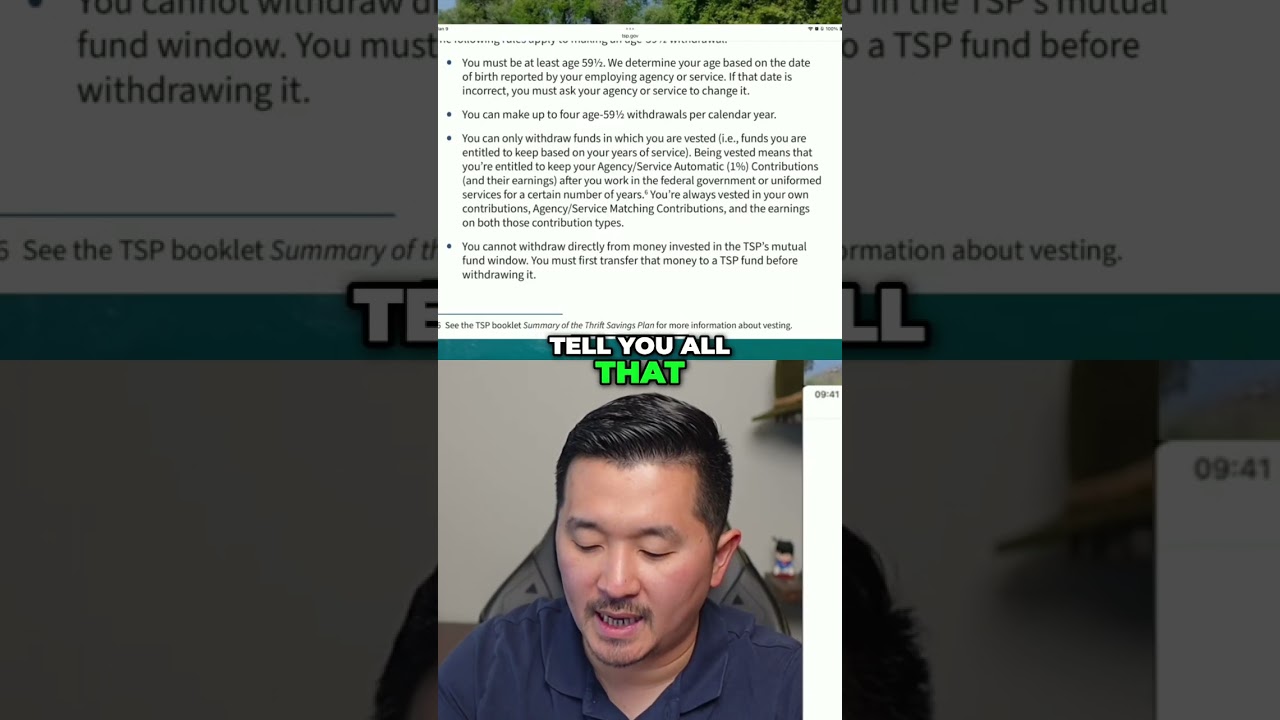
Vesting refers to the process by which an employee earns the right to keep employer contributions (and associated earnings) made to their retirement plan after certain conditions are met. In the context of TSP, vesting primarily applies to agency contributions and any matching contributions provided through automatic enrollment.
TSP Vesting Schedule
- Immediate Vesting: Participants are immediately vested in their own contributions and any earnings on those contributions.
- Agency Contributions: Generally, agency contributions are subject to different vesting schedules and can vary based on the agency’s policies. Most federal employees become 100% vested after three years of service.
Why Vesting Matters for Withdrawals
Understanding vesting is crucial because only vested contributions are available for withdrawal at retirement. If you resign before reaching the required vesting period, you may forfeit agency contributions that have not yet vested. This can significantly impact your TSP balance and your retirement income.
Making Withdrawals at Age 55
If you find yourself eligible to withdraw funds from your TSP at age 55, here’s how to approach the process:
- Eligibility Confirmation: Ensure you meet the age and service requirements for withdrawal.
- Determine Your Vested Balance: Before withdrawing, check how much of your TSP balance is vested. You can access this information through your TSP account.
- Choose Withdrawal Type: Decide whether you want a full withdrawal, a partial withdrawal, or if you want to leave your money in the TSP to continue growing.
- Submit Your Withdrawal Request: Follow the instructions on the TSP website or consult with a TSP representative to complete your withdrawal request.
Considerations for Withdrawals
- Tax Implications: Withdrawals from TSP are subject to federal income tax. You should consider how this will affect your overall tax situation, especially if you are close to retirement.
- Retirement Planning: Consider how withdrawing funds may impact your long-term retirement strategy. It may be beneficial to consult a financial advisor.
- Reinvestment Options: If you choose to withdraw your TSP funds, think about how you will reinvest them to maintain growth for your retirement.
Conclusion
Making withdrawals from your TSP at age 55 can be a significant step in your retirement journey, but it’s crucial to understand the implications of vesting on your savings. Being informed about your vested balance and the details surrounding withdrawals will empower you to make better financial decisions as you transition into retirement. Whether you’re gearing up to retire or seeking flexibility in the years leading up to retirement, knowing the ins and outs of your TSP can help you secure a comfortable financial future. Always remember, consulting with a financial advisor can provide personalized guidance tailored to your unique situation.
LEARN MORE ABOUT: Thrift Savings Plans
REVEALED: Best Investment During Inflation
HOW TO INVEST IN GOLD: Gold IRA Investing
HOW TO INVEST IN SILVER: Silver IRA Investing




0 Comments