
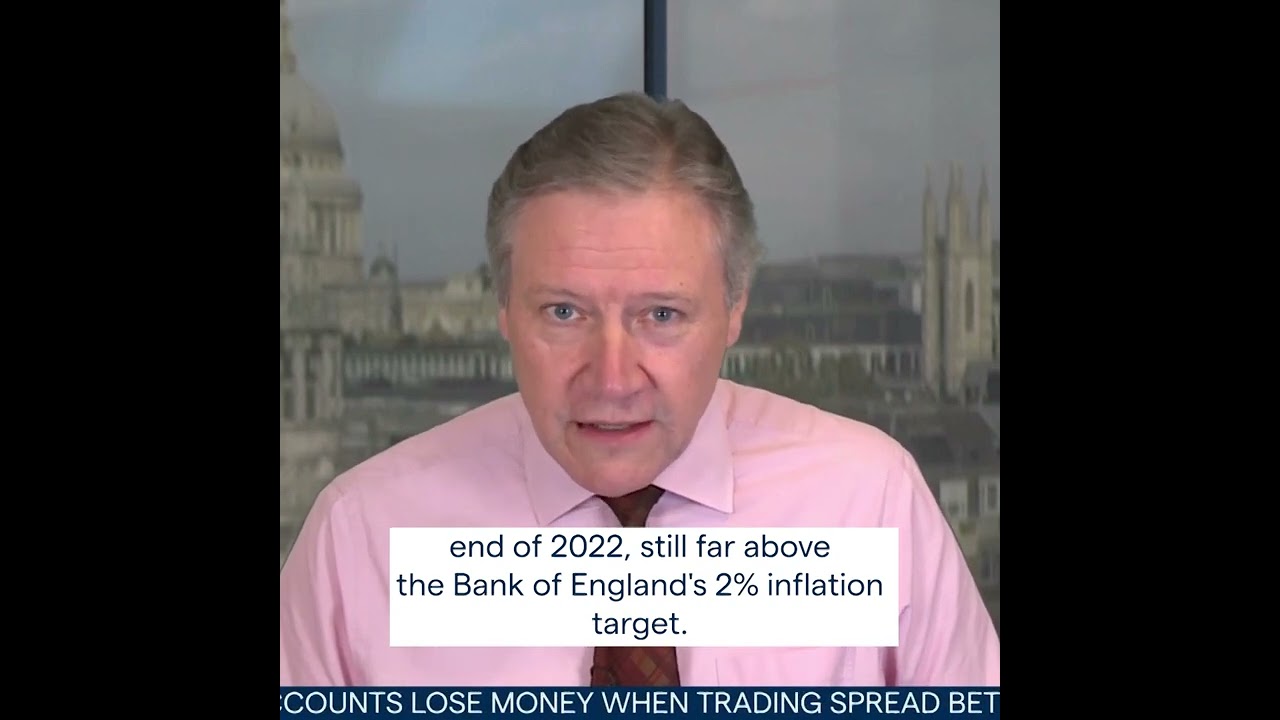

Why UK Inflation Could Be Making a U-Turn
Inflation has been a defining economic concern in the United Kingdom over recent years. Following a sharp surge in consumer prices, many analysts are now questioning whether the current inflationary trends may be on the verge of reversing. This article delves into the reasons why UK inflation could be making a U-turn, exploring the economic, geopolitical, and social factors at play.
Understanding the Inflation Surge
In the post-pandemic landscape, the UK encountered an inflationary crisis, with rates soaring to multi-decade highs. Several key factors contributed to this surge:
-
Supply Chain Disruptions: The COVID-19 pandemic exacerbated existing vulnerabilities in global supply chains, leading to shortages of goods and subsequent price increases.
-
Energy Prices: Russia’s invasion of Ukraine created shockwaves through energy markets, driving up oil and gas prices, which had a cascading effect on many sectors of the economy.
-
Increased Demand: As restrictions eased, consumer spending rebounded sharply, resulting in heightened demand for goods and services at a time when supply could not keep pace.
- Government Stimulus Measures: Fiscal support and monetary expansion during the pandemic contributed to increased money supply, which can lead to inflation if it outstrips economic output.
These conditions resulted in inflation rates peaking at around 11% in late 2022 and early 2023, prompting the Bank of England to respond with aggressive interest rate hikes to cool the economy.
Signs of a Potential U-Turn
As we move further into 2023, there are several indicators that suggest UK inflation could be heading for a reversal:
1. Easing Energy Prices
One of the most significant drivers of inflation in the UK has been the soaring costs of energy. However, recent months have seen a decrease in global oil prices as fears of recession impact demand. Furthermore, the restoration of supply chains and a mild winter have alleviated some of the immediate pricing pressures on energy, which may persist in the coming months.
2. Supply Chain Improvements
As supply chains begin to recover from the shocks of the pandemic and geopolitical tensions, the availability of goods is likely to increase. With shipping times improving and inventories replenishing, consumers may face reduced prices for goods, contributing to a slowdown in inflation.
3. Decreasing Consumer Demand
After an initial post-lockdown consumer spending spree, recent consumer confidence surveys suggest that households are becoming more cautious. Rising interest rates and economic uncertainty have led many Britons to cut back on non-essential expenditures. A shift in consumer behavior can help alleviate upward pressure on prices.
4. Tightening Monetary Policy
The Bank of England has been proactive in its approach to combat inflation, implementing a series of interest rate hikes. As the cost of borrowing increases, both consumers and businesses may reduce spending and investment. This cooling effect is anticipated to further curtail inflationary pressures.
5. Global Economic Factors
The broader global economy is evolving and facing challenges, including inflationary pressures across several advanced economies. A coordinated response among central banks, particularly in Europe and the US, may lead to stabilizing prices worldwide, thus impacting the UK positively.
Conclusion
While inflation is a complex and multifaceted issue, the signs suggesting a U-turn in the UK inflationary trend are becoming increasingly evident. As energy prices normalize, supply chain issues improve, consumer demand cools, and monetary policy tightens, it is plausible that inflation rates may begin to decline steadily.
However, potential risks remain, including geopolitical uncertainties, further economic shocks, or changes in consumer behavior that could disrupt this trajectory. Policymakers must remain vigilant and adaptive in navigating these challenges. Overall, while a U-turn in UK inflation appears to be on the horizon, it is crucial for both businesses and consumers to stay informed and prepared for the evolving economic landscape.
LEARN ABOUT: Investing During Inflation
REVEALED: Best Investment During Inflation
HOW TO INVEST IN GOLD: Gold IRA Investing
HOW TO INVEST IN SILVER: Silver IRA Investing




0 Comments